What makes a coaching process effective?
Jan 5
/
Rene Luisman
A coaching session is a great opportunity for self-exploration. It allows you to examine your beliefs, explore patterns, and practice different behaviors. But the real learning happens outside of the sessions. Success depends on how well you apply the insights from the sessions to your daily life.
When a friend complains all evening and you tell him that his negative attitude is draining your energy. When you explain to your partner that you need more or a different kind of intimacy and ask how he is experiencing it. Or when you tell your colleague that you found her comment hurtful. Moments like these, where you honestly share what's going on inside you.
Holding back for fear of conflict or rejection
The motivation to change is usually there, but old patterns persist because they also yield something. For example, a sense of (false) safety. You're afraid of conflict or rejection. So you ignore your true needs. But by doing so you also sabotage your own growth.
Life offers all the time new opportunities for what still needs to be learned. It's up to you whether you recognize and embrace them. And even if you choose not to engage in a situation, it provides important information that we can explore in our conversations. Often, you need something from yourself or the other person. You feel unheard and want the other person to listen to you without judgment. Or you need to convince yourself that your opinion matters too. With this information, you might dare to take more risks next time.
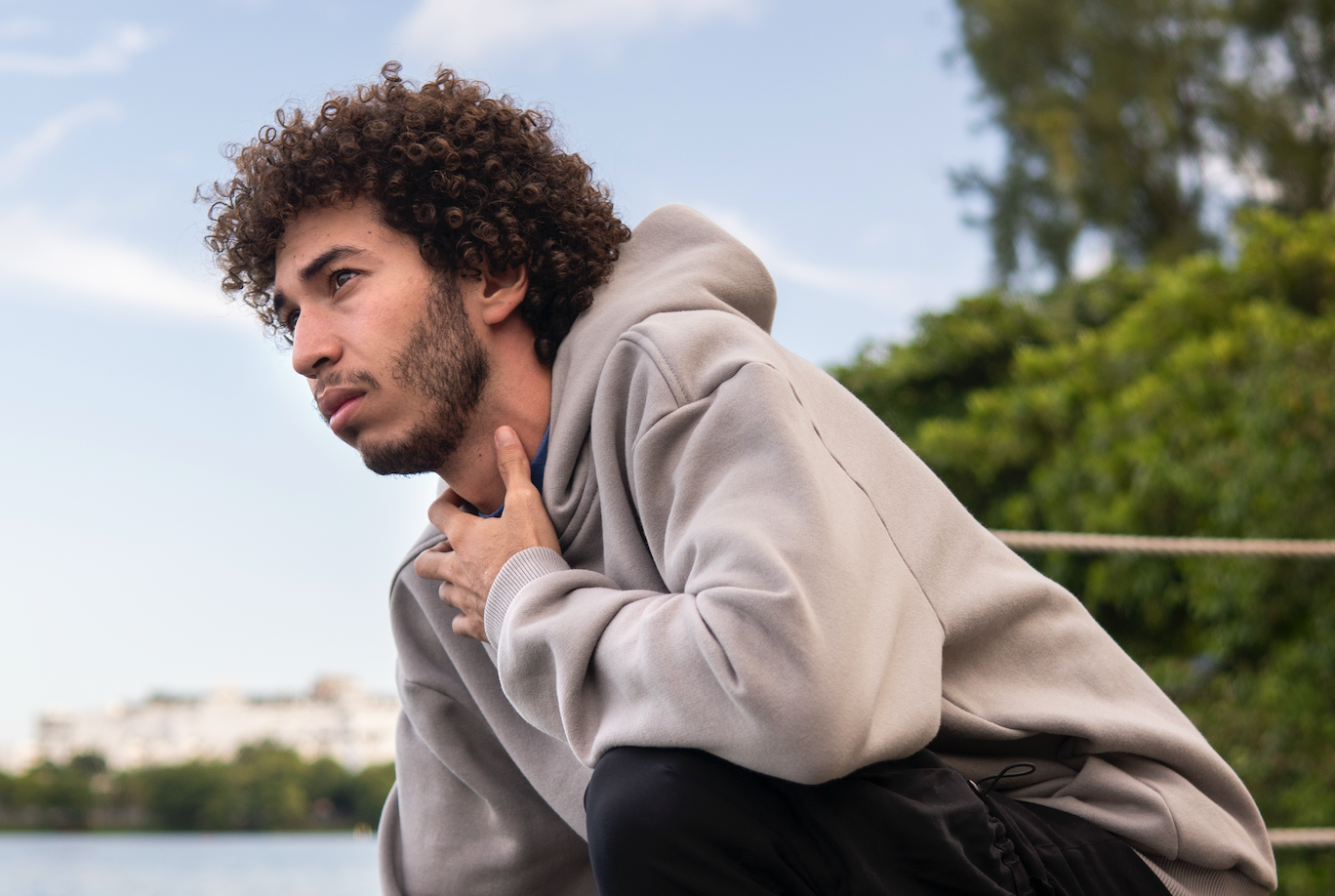
Consistency is key to progress
I like to compare it to sports. Consistency is key to progress. My personal trainer always says, "It doesn't matter if you feel like it, you just have to do it." This phrase helps me to avoid that when something unexpected changes in my week, exercise is the first thing to fall off the list. A busy day, so I tell myself it's okay to skip it. An awkward conversation, so I figure I can relax on the couch for an evening. Excuses I tell myself that make me lose sight of my goal.
If you want to achieve your personal goals, you'll have to regularly practice new behaviors. For example, by taking the time to feel what you truly think or want. Or by opening up and saying what you need, even if it feels scary of awkward.
Patrick's story
Patrick approached me for coaching because he wants to feel more confident. His partner lives in a different city, so they only see each other on weekends. During the week, Patrick feels depressed and lonely. In our conversations, Patrick tells me he'd like to have more social contact, but he's afraid others won't be interested in him.
Patrick approached me for coaching because he wants to feel more confident. His partner lives in a different city, so they only see each other on weekends. During the week, Patrick feels depressed and lonely. In our conversations, Patrick tells me he'd like to have more social contact, but he's afraid others won't be interested in him.
What strikes me is that Patrick is actually very sociable. He regularly asks how I'm doing, remembers details from previous sessions, and speaks very lovingly about the people around him. So his social skills are excellent; there's something else holding him back. So I invite him to reveal more of himself. And Patrick, motivated as he is, consistently follows through on this challenge.
In our sessions, we reflect on the steps Patrick is taking. He primarily sees what isn't going well yet. So we focus on what's already working and the positive impact it has. And we practice what he still finds difficult.
Patrick takes responsibility for what he can control, namely, making the first move. At the gym, he chats with other men who also regularly work out alone. At work, he asks more personal questions to colleagues. And with family, he shares that he sometimes feels lonely. And with every effort he makes, it becomes easier for him to approach others. He notices that people respond positively to his behavior, and that encourages him to share more of himself. As a result, Patrick feels less lonely on the days he can't be with his partner. And on the days they are together, he feels better about himself.
And that's how it works with confidence
If you want more self-confidence, you'll also need to create opportunities to gain experience. Because confidence only grows when you tackle challenging situations and gain successful experiences.
Curious about what I can do for you?
Empty space, drag to resize
Je las een artikel van Gay Men Coaching
- Cursus zelfliefde - Leer stap voor stap hoe je een positief zelfbeeld opbouwt.
- Mannengroep - Ontdek hoe andere homomannen met thema's als intimiteit en seksualiteit omgaan.
- Coming-out programma - Als je voor, tijdens of na je coming-out wel wat steun kan gebruiken.
- Individuele coaching - Als je de relatie met jezelf of anderen wilt verbeteren.
En verder:
Volg me op:
Get in touch
-
Geestbrugkade 32, 2281 CX Rijswijk, Netherlands
-
contact@gaymencoaching.com
-
Chamber of Commerce number: 59693908
-
IBAN: NL49 KNAB 0259 9752 22
Join Our Newsletter
Get monthly updates on news, articles, tips and more.
Thank you!
Gay Men Coaching © 2014 - 2026

with 5 powerful tools to feel confident
As a bonus you will receive a monthly e-mail with tips & inspiration. You can easily unsubscribe at the bottom of every newsletter.
Created with